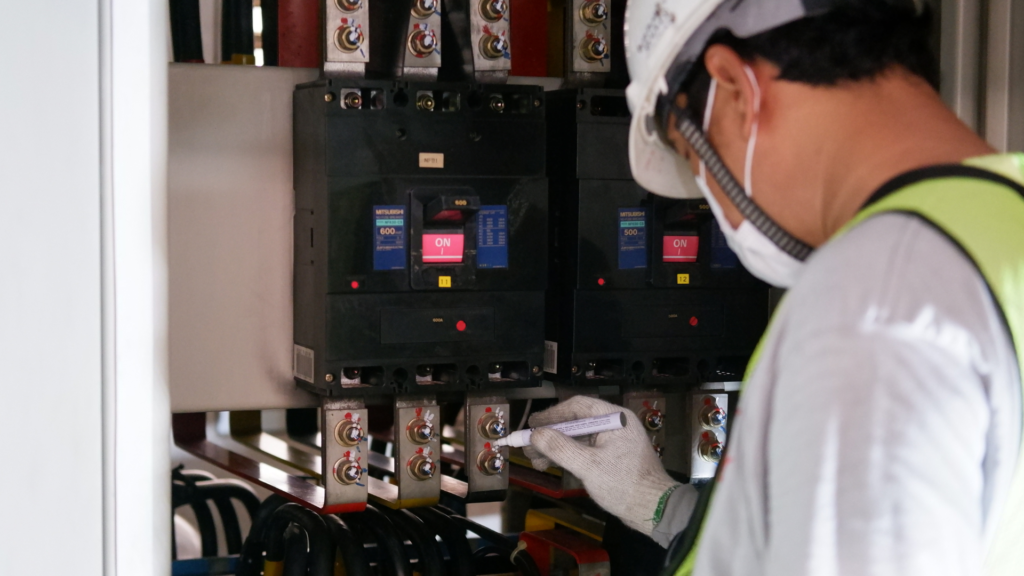
If your breakers trip repeatedly, your lights flicker when major appliances turn on, or your home still relies on an outdated fuse box, your electrical panel may no longer be able to handle your power demands. Because this single component controls the flow of electricity to every outlet, appliance, and device in your property, even small issues can quickly escalate into serious safety risks. Therefore, recognizing panel problems early can prevent costly damage and dangerous conditions.
Turtle Creek Electric connects homeowners and businesses nationwide with licensed, insured electricians who specialize in electrical panel installation, replacement, and repair. Rather than performing electrical work ourselves, we serve as a trusted referral network. As a result, you gain access to qualified local professionals who understand your area’s permitting requirements, inspection processes, and electrical codes.
Modern homes use significantly more electricity than properties built twenty or thirty years ago. Consequently, many older panels operate near capacity every day. When that happens, overheating, breaker failure, and voltage instability become more likely. Upgrading your system through professional electrical panel installation or replacement ensures safe, reliable power for years to come.
What Is Electrical Panel Installation, Replacement, and Repair?
Electrical panel services involve installing new breaker systems, upgrading outdated or undersized panels, and repairing damaged components to maintain safe power distribution throughout a home or commercial building.
An electrical panel, sometimes called a breaker box or load center, receives electricity from the utility company and distributes it into branch circuits. Each breaker protects a specific circuit and automatically shuts off power if overload occurs. Because breakers prevent wires from overheating, they serve as your home’s primary defense against electrical fires.
Electrical panel installation refers to placing a brand-new panel into a property. This process includes mounting the enclosure, connecting service entrance conductors, establishing grounding and bonding systems, organizing circuits, labeling breakers clearly, and ensuring compliance with national and local codes.
Electrical panel replacement involves removing an existing panel that may be outdated, damaged, unsafe, or too small for modern energy needs. In contrast, electrical panel repair addresses isolated issues such as defective breakers, loose connections, corrosion, bus bar damage, or overheating components.
Because technology continues to evolve, many homeowners eventually require electrical panel replacement simply to keep pace with modern electrical demand.
Why Electrical Panels Fail Over Time
Electrical panels do not last forever. Although many systems function safely for decades, several factors contribute to gradual deterioration.
First, increasing energy consumption places strain on older panels that were never designed for today’s appliances. Second, environmental conditions such as humidity or corrosion can weaken internal components. Additionally, repeated breaker trips may degrade breaker mechanisms over time. Finally, improper past installations can create hidden vulnerabilities that surface years later.
For these reasons, regular inspection and timely electrical panel repair or replacement are essential for long-term safety.
How Do You Know If You Need Electrical Panel Repair or Replacement?
Frequent breaker trips, dimming lights, unusual odors, buzzing sounds, or insufficient service capacity often indicate that electrical panel repair or replacement may be necessary.
Most panels show warning signs before catastrophic failure. Paying attention to these signals can help you act before serious hazards develop.
Frequent Breaker Trips
Breakers are designed to trip during overload conditions. However, repeated trips without obvious cause often signal worn breakers or insufficient panel capacity.
Flickering Lights
Lights that dim when large appliances start suggest voltage fluctuations. Over time, unstable voltage can damage electronics and shorten appliance life.
Burning Smell or Scorch Marks
A burning odor near the panel or visible discoloration indicates overheating. Because overheating greatly increases fire risk, immediate inspection is critical.
Buzzing or Crackling
Electricity should flow silently. Therefore, any buzzing or crackling noise may indicate arcing or loose internal connections.
Warm Panel Surface
If the panel feels hot to the touch, internal components may be overloaded or improperly secured.
Outdated Amp Rating
Homes with 60-amp or 100-amp service may struggle to support modern electrical usage. Consequently, upgrading to 200-amp service often becomes necessary.
Should a House Have 100 Amp or 200 Amp Service?
Most modern homes benefit from 200-amp service because it supports HVAC systems, electric vehicle chargers, kitchen appliances, and future electrical expansion safely and efficiently.
While 100-amp service may suffice for small homes with minimal appliance usage, energy demand has increased dramatically. For example, home offices, smart appliances, and high-efficiency HVAC systems require substantial power. Therefore, upgrading to 200-amp service provides greater flexibility and improved safety margins.
Additionally, higher service capacity enhances resale value and may satisfy insurance provider recommendations.
How Much Does Electrical Panel Installation Cost?
Electrical panel installation generally costs between $1,500 and $4,000, although complex upgrades may exceed that range depending on service size, permitting requirements, and regional labor rates.
Several factors influence pricing. First, upgrading amperage often requires replacing meter sockets and service entrance cables. Second, local building departments charge varying permit fees. Third, labor costs differ by region. Furthermore, grounding system improvements may add to overall expense.
| Project Type | Estimated Cost |
|---|---|
| 100-Amp Panel Replacement | $1,500 – $2,500 |
| 200-Amp Upgrade | $2,500 – $4,000+ |
| Breaker Replacement | $150 – $400 |
| Full Service Upgrade with Meter | $3,000 – $5,000+ |
Because every property differs, the electrician you are matched with will provide a detailed written estimate before beginning work.
What Is the 80% Rule for Electrical Panels?
The 80% rule states that continuous loads should not exceed 80% of a circuit breaker’s rated capacity in order to prevent overheating and ensure safe operation.
For example, a 20-amp breaker should carry no more than 16 amps during extended use. Following this guideline reduces heat buildup and extends system longevity.
What Is the 120% Rule for Electrical Panels?
The 120% rule allows the combined rating of certain breakers to equal up to 120% of the panel’s bus bar rating under approved electrical code conditions.
This calculation often applies when integrating solar power systems. Because compliance requires precise calculation, professional oversight is essential.
Electrical Panel Replacement vs. Repair
| Repair | Replacement |
|---|---|
| Addresses specific component issues | Upgrades entire system capacity |
| Lower short-term expense | Greater long-term reliability |
| Suitable for newer panels | Recommended for outdated systems |
If your panel is structurally sound and relatively modern, targeted electrical panel repair may resolve the issue. However, when capacity limits or safety defects exist, electrical panel replacement provides stronger long-term protection.
The Complete Electrical Panel Installation Process
Electrical panel installation involves load calculation, permit approval, coordinated utility shutoff, safe removal of the old panel, installation of the new system, inspection, and power restoration.
Initially, a licensed electrician calculates your home’s electrical demand. Next, permit applications ensure compliance with local building codes. Meanwhile, coordination with the utility provider schedules safe temporary disconnection.
Once power is safely disconnected, the old panel is removed. The new panel is then mounted securely, grounded properly, and connected carefully. After reconnecting circuits and labeling breakers, the system undergoes inspection. Finally, power is restored and tested thoroughly.
Why DIY Electrical Panel Work Is Dangerous
Electrical panel work involves live service conductors that remain energized even when the main breaker is turned off. Consequently, attempting DIY installation or repair can result in severe injury or fatal electrocution.
Improper grounding, incorrect torque specifications, or overloaded connections may also cause hidden fire hazards inside walls. Furthermore, unpermitted electrical work can void insurance coverage and complicate future home sales.
Smart Panels and Future-Ready Upgrades
Modern electrical panel installation can include smart panel technology. These advanced systems allow homeowners to monitor energy usage, manage circuits remotely, and optimize load distribution.
Additionally, future-ready panels accommodate solar integration, battery storage, and EV charging expansion. Therefore, upgrading now may prevent additional work later.
Real-World Scenario
A homeowner recently contacted us after experiencing recurring breaker trips during peak summer usage. Initially, they suspected a faulty air conditioner. However, inspection revealed the existing 100-amp panel was operating beyond safe capacity. After upgrading to a 200-amp electrical panel installation, breaker trips stopped and overall system stability improved significantly.
Why Choose Turtle Creek Electric
We connect homeowners nationwide with licensed, insured electricians who specialize in electrical panel installation, replacement, and repair.
- Contact us and describe your electrical concerns.
- We match you with a qualified local electrician.
- You receive a clear, upfront estimate.
- The project is completed safely and to code.
Because we verify licensing and insurance credentials, you gain peace of mind throughout the process.
Frequently Asked Questions
How long does electrical panel replacement take?
Most panel replacements take between 4 and 8 hours, although complex upgrades may require additional time.
Do I need a permit for panel installation?
Nearly all municipalities require permits and inspection for electrical panel installation or replacement.
Can I add breakers instead of replacing my panel?
Additional breakers can only be installed if both physical space and electrical capacity remain available.
What is the difference between a fuse box and a breaker panel?
Fuse boxes use replaceable fuses, whereas breaker panels use resettable switches that improve safety and convenience.
Contact Turtle Creek Electric Today
Electrical panel problems rarely resolve on their own. Instead, they tend to worsen over time. Acting early protects your home, appliances, and long-term investment.
If you need electrical panel installation, electrical panel replacement, or electrical panel repair, Turtle Creek Electric can connect you with trusted professionals anywhere in the United States.
Address: USA Nationwide
Phone: 833-309-2803
